 Taco Field Notes
Street Taco Toppings: Build a Balanced Bite
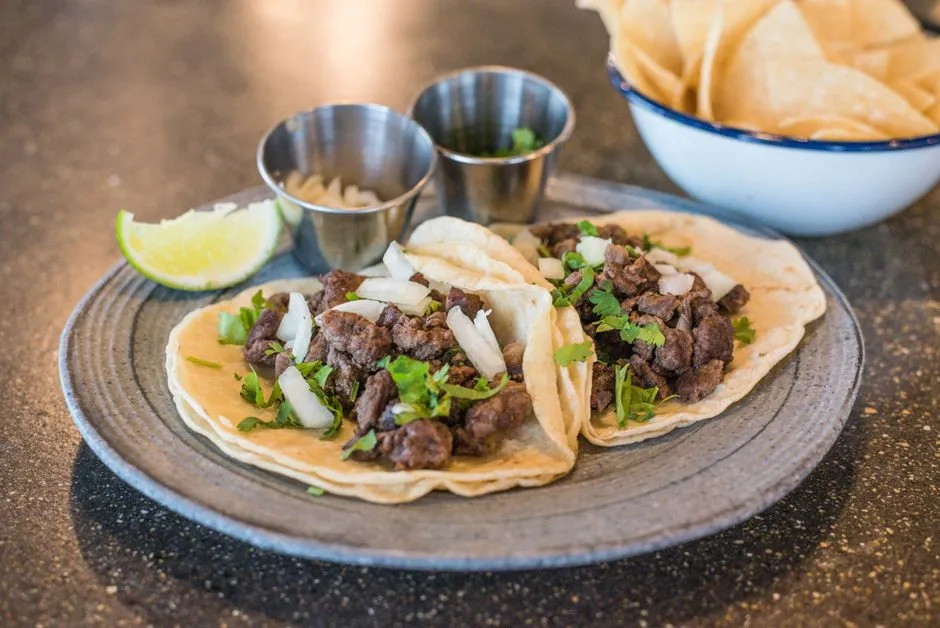
Start simple, then add one useful contrast
Common street-style taco toppings include finely chopped onion, cilantro, salsa, and a squeeze of lime. That spare combination adds freshness, heat, acidity, and texture without hiding the filling. Tacos vary enormously by region, vendor, and filling, so treat this as a flexible starting point rather than the only authentic formula.
A good topping earns its place. If several ingredients do the same job, the taco can become bulky and muddled.
The classic fresh layer
Finely chopped white onion gives crunch and a sharp bite. Cilantro brings a fresh herbal note, though it is entirely reasonable to leave it off for diners who dislike it. Lime adds acidity at the last moment and can make a rich filling taste more defined.
Serve these ingredients separately when feeding a group. Diners can adjust for taste, allergies, and heat tolerance, and the tortillas stay drier until the moment of assembly.
Wash produce under clean running water before cutting it. Use a clean board and knife, particularly when raw meat or seafood is being prepared elsewhere in the kitchen.
Salsa is seasoning and moisture
Choose salsa in relation to the filling, not by color alone. A bright tomatillo salsa can sharpen a rich taco; a roasted tomato or chile salsa can echo smoky flavors; a fresh chopped salsa can add juicy crunch.
Test the salsa before spooning it over every taco. Consider four things:
- Heat: Will it support the filling or overwhelm it?
- Acidity: Does the taco still need lime after the salsa?
- Salt: Are both the filling and salsa already well seasoned?
- Texture: Is the salsa thin enough to run out of the tortilla?
Start with a small spoonful. More can be added, but a soaked tortilla is difficult to repair.
Pick one texture contrast
Many tacos benefit from one crisp or cooling element. Sliced radish, shredded cabbage, diced cucumber, or pickled onion can each work, depending on the filling and style. They are not interchangeable claims of tradition; they are different tools.
For a soft braised filling, crisp radish or onion can keep the bite lively. For fried fish, cabbage can add structure. For a spicy filling, avocado may soften the perceived heat, though it also adds richness. Choose one main contrast before piling on several.
Rich toppings need restraint
Cheese, crema, and avocado can be delicious, but not every street-style taco needs them. A fatty filling plus avocado plus cheese plus crema may cover the flavor you spent time developing. Add a rich topping when it supplies a needed texture or rounds off intense chile—not because a taco looks incomplete without it.
The same principle applies to large piles of lettuce or tomato. Those toppings belong in many beloved taco traditions, but they create a different build from the compact onion-cilantro-salsa approach. Name the style you are making rather than using “street taco” as a rule for all tacos.
Assemble in an order that protects the tortilla
First, warm the corn tortillas until flexible. Add a modest amount of hot filling in the center, then a small quantity of dry garnish. Spoon salsa on last and finish with lime just before eating.
This order prevents wet salsa from sitting against the tortilla while other tacos are assembled. Keep the top open rather than compressing a tall mound, and make more tacos instead of forcing too much into one.
For a taco bar, keep hot foods hot and cold perishable toppings cold according to established food-safety guidance. Replace serving utensils if they touch raw ingredients, and avoid returning food from a diner's plate to shared bowls.
Three balanced topping paths
| Filling character | Fresh layer | Salsa or acid | Optional contrast |
|---|---|---|---|
| Rich and slow-cooked | Onion and cilantro | Bright salsa or lime | Radish |
| Crisp or fried | Onion or cabbage | Tangy salsa | Avocado |
| Lightly seasoned vegetables | Cilantro and onion | Roasted salsa | Pickled onion |
These are prompts, not prescriptions. Taste the filling first, identify what is missing, and add the smallest topping that solves it.
Explore more component-by-component thinking in Taco Guides.
Let the filling remain recognizable
The most useful street taco topping list is short: something fresh, something acidic, and salsa if it helps. Build for contrast, protect the warm tortilla, and leave enough space for the filling to still taste like itself.
Frequently asked questions
What traditionally goes on a street taco?
Many Mexican street-style tacos are served simply with chopped onion, cilantro, salsa, and lime, but toppings differ by region, vendor, household, and filling. Some include pineapple, cabbage, radish, pickled vegetables, or other garnishes. No single list represents every taco tradition.
What kind of onion goes on street tacos?
Finely chopped white onion is common because it offers a clean, sharp crunch, but other onions can suit particular fillings and regional styles. If raw onion tastes too strong for your table, serve less, rinse and drain it, or choose a milder alternative.
Do street tacos have cheese?
Some do and some do not. Many compact onion-cilantro-salsa builds omit cheese, while other taco styles use a specific cheese as part of the filling or garnish. Add cheese when it complements the taco rather than treating it as a universal requirement.
How much salsa should go on a taco?
Start with a small spoonful and taste. The right amount depends on the salsa's heat, salt, acidity, and thickness, as well as the filling. A thin salsa can soak a tortilla quickly, so add it immediately before eating and offer more at the table.
What toppings work with a rich taco filling?
Use fresh, sharp contrasts such as chopped onion, cilantro, radish, lime, or a bright salsa. Rich additions like crema, cheese, and avocado can be good, but stacking all of them may mute the filling. Choose the one that supplies a missing texture or balance.
How do you set up a safe taco topping bar?
Wash produce, use clean boards and utensils, and keep raw foods separate from ready-to-eat toppings. Hold hot fillings hot and cold perishable ingredients cold according to established food-safety guidance. Give each bowl its own utensil and replace any utensil that becomes contaminated.