 Taco Field Notes
Carne Asada Tacos for a Skillet or Grill
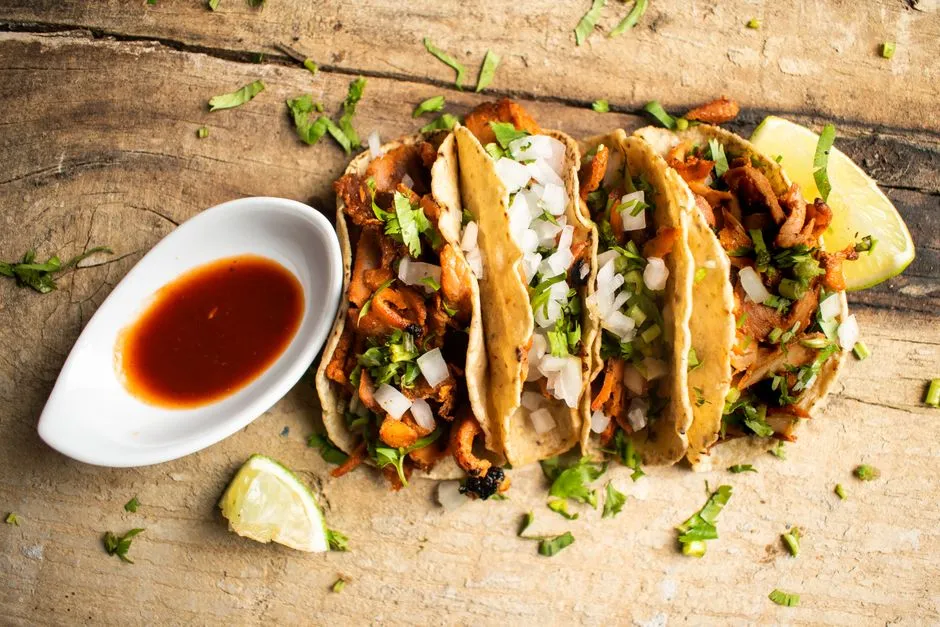
Build carne asada tacos around hot-seared beef
For carne asada tacos at home, marinate skirt or flank steak briefly with citrus, garlic, salt, and oil; cook it over high heat until browned and safely done; rest it for three minutes; then slice across the grain and chop into small pieces. Serve on warm corn tortillas with restrained toppings such as onion, cilantro, lime, and salsa. The sequence matters more than loading the tortilla with extras.
Carne asada is not one fixed marinade or garnish list. Recipes vary among regions, cooks, and occasions. This version is a practical home-kitchen framework: measured, citrus-forward, and suitable for either a heavy skillet or an outdoor grill. Treat it as one approach, not the definition of everyone else's tacos.
Ingredients for 12 small tacos
For the beef
- 1 1/2 pounds (680 g) skirt steak or flank steak
- 2 tablespoons (30 ml) orange juice
- 1 tablespoon (15 ml) lime juice
- 1 tablespoon (15 ml) neutral cooking oil, plus a little for the skillet if needed
- 2 garlic cloves, finely grated or minced
- 8 g fine salt
- 1 teaspoon ground cumin, optional
- 1/2 teaspoon ground black pepper
For serving
- 12 small corn tortillas
- 1/2 small white onion, finely chopped
- 1/2 cup loosely packed cilantro leaves and tender stems, chopped
- 2 limes, cut into wedges
- About 1/2 cup salsa of your choice
This makes about 12 modest tacos, or roughly four servings. Skirt steak has a pronounced grain and cooks quickly; flank steak is usually thicker and may need more time. Thickness, pan material, burner strength, and grill heat all change the clock, so temperature and surface color are more reliable than minutes alone.
Marinate without hiding the beef
Pat the steak dry and place it in a nonreactive dish or food-safe bag. Stir together the orange juice, lime juice, oil, garlic, salt, cumin if using, and pepper. Coat the meat evenly, cover, and refrigerate for 30 minutes to 2 hours.
The short rest seasons the surface while keeping this an evening recipe. Longer is not automatically better: extended contact with an acidic marinade can change the outer texture. Keep the meat refrigerated throughout; marinating on the counter is not a shortcut.
Discard marinade that has touched raw beef. If you want a fresh citrus finish, squeeze a clean lime wedge over the cooked meat instead of saving the used liquid.
Prepare toppings on a separate surface
Chop the onion and cilantro and cut the limes before cooking the beef. The FDA advises washing produce under running water and keeping produce that will be eaten raw away from raw meat and its utensils in its produce-safety guidance. Use separate boards if possible, or thoroughly wash the board, knife, dishes, and counter with hot soapy water after raw-meat contact.
Keep the topping bowls simple at first. Onion brings crunch, cilantro brings a fresh herbal note, lime supplies acidity, and salsa contributes moisture and chile flavor. Add more only after tasting the assembled taco. Our street taco topping guide explains how to balance those jobs without burying the filling.
Cook in a skillet or on a grill
Remove the steak from the marinade and wipe away heavy clumps of garlic so they do not burn before the beef browns. Do not rinse the meat.
For a skillet, heat a large cast-iron or other heavy pan over medium-high to high heat. Add a thin film of oil only if the pan needs it. Lay in the steak without folding it; if it does not fit, cut it into two large pieces and cook in batches rather than crowding the pan.
For a grill, preheat and clean the grate, then oil it according to the grill manufacturer's instructions. Keep raw-meat tools and plates separate from those used for cooked food.
Cook until the first side has deep brown patches and releases readily, then turn. A thin skirt steak may take about 3 to 5 minutes per side; thicker flank steak can take longer. Those times are orientation only. FoodSafety.gov's current safe-temperature chart specifies 145°F (63°C) for beef steaks followed by a three-minute rest. Check the thickest part with a food thermometer, inserting from the side when the steak is too thin for a reliable reading from above.
Transfer the steak to a clean board and rest it for at least three minutes. Do not place it back on the raw-meat plate.
Slice across the grain, then chop
Look for the long visible muscle fibers. Cut across those lines, not parallel to them. With skirt steak, the grain may change direction across the piece, so turn sections as needed. Make thin slices first, then chop the slices into small taco-size pieces.
Taste one piece before adding more salt. The salsa and tortillas may already carry seasoning. Spoon any clean resting juices from the board over the chopped beef, but do not add discarded marinade.
Warm and assemble in small batches
Warm the tortillas just before serving. A dry skillet gives each one direct heat and a few toasted spots; a covered stack stays flexible. The full method is in our guide to warming corn tortillas without cracking.
For each taco, use one or two warm tortillas, a modest spoonful of beef, a pinch of onion and cilantro, a little salsa, and lime to taste. Overfilling makes a small tortilla split and turns every topping into one indistinct mouthful.
Assemble a first taco and taste it before adjusting the whole batch. If it feels heavy, add lime or a sharper salsa. If it feels wet, use less salsa. If the beef disappears, remove a topping rather than adding more meat until the tortilla gives up.
Store leftovers safely
Refrigerate cooked beef and cut toppings promptly in separate shallow containers. FoodSafety.gov lists cooked meat leftovers for three to four days in a refrigerator at 40°F (4°C) or below and says leftovers should reach 165°F (74°C) when reheated. Warm only the amount you plan to eat, and use freshly heated tortillas for the next round.
The useful formula is uncomplicated: a brief refrigerated marinade, strong browning, verified doneness, a rest, a cross-grain cut, and a warm tortilla. Once those pieces are in place, the toppings can stay pleasantly quiet.
An independent publication. Not affiliated with any prior owner of this domain.
Frequently asked questions
Is skirt steak or flank steak better for carne asada tacos?
Both work. Skirt steak is usually thinner, has a pronounced grain, and cooks quickly; flank steak is often thicker and may need more time. Whichever you choose, check the thickest part with a food thermometer, rest the steak for three minutes, and cut across the grain before chopping it for tacos.
Can I marinate carne asada overnight?
This recipe uses a 30-minute to two-hour refrigerated marinade. Leaving thin beef in an acidic citrus mixture much longer can change its outer texture, so overnight is not the default here. If your timing changes, keep the meat cold and use a recipe specifically designed and verified for a longer marinade.
What temperature should carne asada reach?
For an intact beef steak, FoodSafety.gov specifies 145°F (63°C) followed by a three-minute rest. Measure the thickest section with a food thermometer; for a thin steak, insert the probe from the side. Different rules apply to ground beef, which should reach 160°F (71°C).
Can I use flour tortillas for carne asada tacos?
Yes. Corn tortillas suit this recipe and provide a distinct toasted-corn flavor, but flour tortillas are also used for tacos in many places and kitchens. Choose the tortilla you enjoy, warm it until flexible, and size the filling to the tortilla so it folds without splitting or becoming overloaded.
How long do leftover carne asada tacos keep?
Store the cooked beef and cut toppings separately and refrigerate them promptly. FoodSafety.gov lists cooked meat leftovers for three to four days at 40°F (4°C) or below. Reheat the beef to 165°F (74°C), warm fresh tortillas, and discard food that was mishandled or left out beyond safe limits.
What can I use instead of cilantro?
You can omit cilantro rather than forcing a direct substitute. Keep chopped onion, lime, and salsa, then taste the taco. Finely sliced cabbage or radish can add crunch, while a little parsley offers a different herbal note. Present those as your own variation, not as a claim about a regional standard.