 Taco Field Notes
Corn vs Flour Tortillas for Tacos: How to Choose
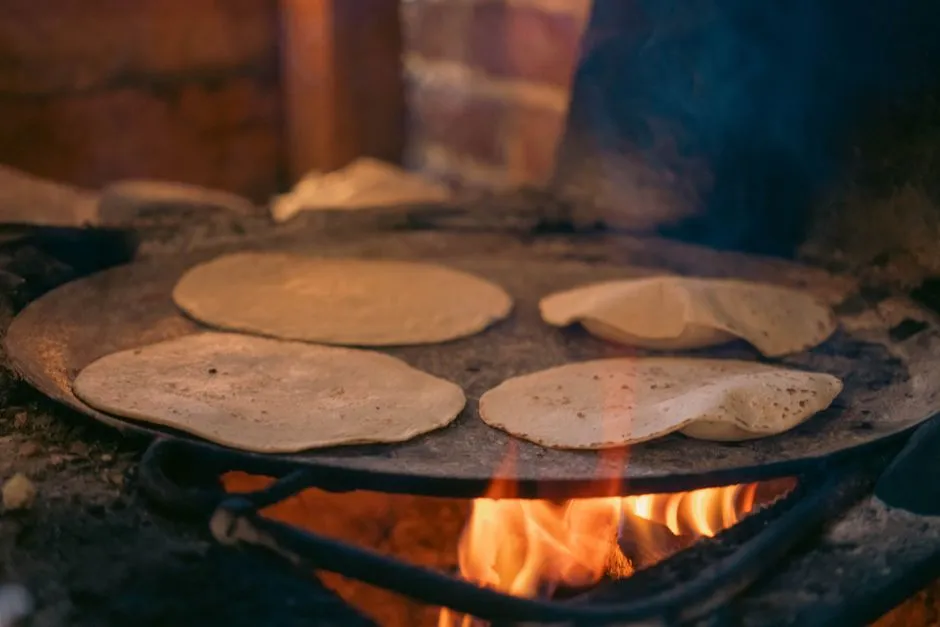
- Which tortilla should you choose for tacos?
- How do corn and flour tortillas differ?
- Are flour tortillas part of Mexican taco traditions?
- What can an actual package tell you?
- How should you handle gluten and food allergies?
- Which handles juicy fillings better?
- How many tortillas does the package really provide?
- What stays the same whichever you buy?
- Sources
Which tortilla should you choose for tacos?
Choose corn tortillas when you want maize flavor to be a clear part of the taco; choose wheat-flour tortillas when you prefer a softer, often more elastic fold or a style built around wheat. Neither is universally better. Compare the actual size, ingredients and preparation directions. For celiac disease or food allergy, verify the label and cross-contact controls rather than trusting the category name. Cook and store perishable fillings safely whichever tortilla you choose.
This is a desk-researched comparison, not a tasting or durability test. Our practical verdict: start with the intended flavor and taco style, then let the specific package and your dietary requirements decide.
How do corn and flour tortillas differ?
Corn tortillas are made from maize masa; wheat-flour tortillas use a different dough. Larousse Cocina's flour-tortilla entry describes wheat flour, water, salt and either lard or vegetable fat, while documenting regional variations in thickness and size.
| Buying question | Corn tortillas | Wheat-flour tortillas |
|---|---|---|
| What flavor do you want? | Choose when maize should remain noticeable alongside the filling | Choose when you want a wheat-and-fat dough rather than a maize-led bite |
| What fold suits the meal? | Can be soft and pliable, but a dry or fragile example needs careful handling | Often more elastic; thickness and formulation still affect the fold |
| What happens with wet filling? | Thin or damaged tortillas may need a smaller portion or reinforcement | Flexibility does not make the tortilla waterproof or impossible to tear |
| What dietary check matters? | Corn in the name does not establish the finished product's allergen suitability | Conventional wheat-flour tortillas contain wheat; check other ingredients too |
| Is every package alike? | No: dimensions, thickness, ingredients and storage requirements vary | No: fat source, dough formulation, size and storage requirements vary |
These are selection cues, not measured performance rankings. Do not assume that a large flour tortilla and a small corn tortilla offer the same filling capacity simply because each package calls its product a tortilla.
Are flour tortillas part of Mexican taco traditions?
Yes. Larousse documents wheat-flour tortillas across northern Mexico, including use in tacos, and names Sonoran forms such as tacos caramelo. Its broader tortilla entry also describes northern flour tortillas served with carne asada.
That does not mean every northern taco uses flour. Nor does it turn corn into a single uniform alternative: the same reference describes soft corn tortillas called blanditas in parts of Oaxaca, distinct from other local tortilla forms.
A named regional preparation gives you a more useful starting point than a rule that all street tacos must use one grain. Follow the tortilla choice in the particular recipe you are making, or describe your own variation plainly. Our street-taco format guide explains why size, filling and service matter alongside the tortilla.
What can an actual package tell you?
Read the ingredient list before judging from colour or front-of-pack language. These manufacturer examples were checked on September 8, 2026; they illustrate differences, not a recommendation or a promise that local stock has the same label.
- Mission White Corn Tortillas list corn masa flour and water, followed by ingredients including cellulose gum, guar gum and preservatives.
- Mission Soft Taco Restaurant Style Flour Tortillas list enriched bleached flour, water and vegetable shortening among their ingredients, and explicitly declare wheat.
- Masienda Organic Corn Tortillas list organic corn and alkaline water, with the latter identified as water and slaked lime. The maker describes grinding nixtamalized corn into fresh masa.
Fresh masa and corn masa flour are different production routes within the corn-tortilla category. Neither ingredient wording alone establishes how your particular pack will taste or behave. A shorter list is not an allergy certificate, and preservatives are not evidence that a product is unsafe.
If avoiding animal ingredients, identify the actual fat and other ingredients rather than assuming all flour tortillas contain lard or all tortillas are vegan. For nutrition comparisons, read serving size and tortilla count first; a per-serving panel is not automatically a per-taco comparison.
How should you handle gluten and food allergies?
The FDA explains that gluten occurs naturally in wheat, barley and rye. For FDA-regulated packaged foods, a gluten-free claim must meet defined requirements, including less than 20 parts per million of gluten. The word corn is not that claim.
Check the complete ingredient list and allergen information each time. The FDA's allergen guidance notes that advisory statements such as “may contain” are voluntary; their absence does not establish absence of cross-contact.
For celiac disease or food allergy, follow your clinician's dietary plan and confirm suitability with the manufacturer when unclear. Ask about preparation as well as ingredients when food is served by someone else. Shared warming surfaces, utensils and fillings also need appropriate cross-contact controls. A gluten-free claim is not an all-allergen-free claim.
If an allergic reaction occurs, stop eating and follow your prescribed emergency plan; severe symptoms require immediate emergency medical help.
Which handles juicy fillings better?
Do not buy on grain alone. A thicker corn tortilla may support a portion that overwhelms a thin flour one. Warm the specific product according to its directions and check whether it folds without a dry split.
For a wet filling, lift the portion without adding unnecessary pooled cooking liquid, keep it modest and add salsa near serving. Avoid assembling a whole tray long before eating. These are editorial assembly suggestions, not tested tear-resistance claims.
A second tortilla can add support, but it changes the tortilla-to-filling balance and the number you need. It cannot make mishandled food safe. More handling guidance belongs in Tortilla Skills.
How many tortillas does the package really provide?
Use this hypothetical shopping calculation, not a serving-size recommendation. Suppose you have chosen to make 15 tacos:
| Your chosen build | Calculation | Tortillas needed |
|---|---|---|
| One tortilla per taco | 15 × 1 | 15 |
| Two tortillas per taco | 15 × 2 | 30 |
Mission's checked White Corn page offers a 30-count pack and describes a 4.5-inch tortilla. Its checked Restaurant Style Flour page offers a 10-count pack and describes an 8-inch tortilla. One of those corn packs supplies 30 tortillas; two of those flour packs supply 20.
Those counts do not make the meals equivalent: the diameters differ, and neither calculation specifies filling volume or anyone's appetite. Write down taco count, layers per taco, pack count and actual dimensions before comparing shelf prices. No price or cost winner is assumed here.
What stays the same whichever you buy?
Follow the package's storage and heating instructions, including any refrigeration requirement. Use suitable utensils and avoid contact with hot cookware or escaping steam. A covered tortilla stack is not equipment for safely holding perishable fillings.
USDA food-safety guidance says to hold cooked hot food at 140°F or warmer and cold perishable food at 40°F or below. Refrigerate perishable leftovers within two hours, or one hour when the temperature is above 90°F; discard food left out beyond those limits. Reheat leftovers to 165°F measured with a food thermometer.
Choose the tortilla that suits the intended bite, then keep the filling and service deliberate. Our Taco Guides collect those component decisions without declaring one version the only legitimate taco.
Sources
- Larousse Cocina: Tortilla de harina and Tortilla.
- Mission: White Corn and Restaurant Style Flour product pages.
- Masienda: Organic Corn Tortillas.
- FDA: Gluten labeling and Food allergies.
- USDA: Leftovers and food safety.
Frequently asked questions
Are corn or flour tortillas better for tacos?
Neither wins every taco. Choose corn when maize flavor is part of the intended bite, or wheat flour when you prefer its dough and fold. Check actual dimensions, ingredients and directions. Dietary suitability and cross-contact controls come first for allergies or celiac disease; perishable fillings still require safe cooking and storage.
Are corn tortillas always gluten-free?
Do not infer the finished product's suitability from the word corn. Read the current ingredient list and gluten-free labeling, and check cross-contact information. For celiac disease or food allergy, follow your clinician's dietary plan and ask the manufacturer about unclear information. A gluten-free claim does not mean free of every allergen.
Do Mexican tacos use flour tortillas?
Yes. Larousse Cocina documents flour tortillas in northern Mexican cooking, including tacos and Sonoran preparations such as tacos caramelo. That does not make flour universal in the north or corn universal elsewhere. Use the tortilla associated with the specific recipe or describe your own variation without declaring other versions incorrect.
Which tortilla should I choose for a wet filling?
Consider the actual tortilla's thickness, condition and flexibility rather than grain alone. Follow its warming directions, use a modest filling without unnecessary pooled liquid and add salsa near serving. A second tortilla can provide support but changes the count and balance. These assembly choices do not replace safe handling of perishable ingredients.
Can I leave assembled tacos out while serving?
Perishable tacos need time and temperature controls regardless of tortilla type. USDA advises holding hot food at 140°F or warmer and cold perishables at 40°F or below. Refrigerate within two hours, or one hour above 90°F; discard food left out beyond those limits. A covered tortilla stack is not safe holding equipment for fillings.